
Training Outcomes Within Your Budget!
We ensure quality, budget-alignment, and timely delivery by our expert instructors.
Recent Blogs
Azure AZ-104 Exam Study Guide: Pass on First Attempt
August 21st, 2026
AWS SysOps Administrator Certification Guide
August 20th, 2026
Cloud Computing Salary Guide 2026: AWS, Azure & GCP
August 20th, 2026
CompTIA Cloud+ Certification: Complete Guide
August 20th, 2026
ISO 31000 vs ISO 27001
August 20th, 2026
CISM Certification Cost and Roadmap for Career Success
August 19th, 2026
CISSP Exam Format & Domains
August 19th, 2026
Closer Look at CISSP Requirements That Truly Matter Most
August 19th, 2026
CISSP Certification Path Steps For Aspiring Security Leaders
August 19th, 2026
CISSP Certification Benefits That Support Career Growth
August 19th, 2026
AWS DevOps Engineer Certification: Complete Guide
August 18th, 2026
AWS Developer Certification: Study Guide & Exam Tips
August 18th, 2026
ISO 22000 Documentation Requirements
August 18th, 2026
ISO 22000 vs HACCP
August 17th, 2026
PMP Exam July 2026: What's Changed and How to Prepare
August 17th, 2026
Simplify Complex Projects with Agile Project Management
Last updated on August 10th, 2026
- Share
-

-

-

-

-

 Sachin Kumar
Agile project management works in short cycles that include planning, doing the work, reviewing results, and making changes. At the start of each cycle, teams choose tasks from the product backlog.
Building Success with Agile Project Management Foundations
Introduction
Managing complex projects becomes challenging when requirements evolve, timelines shift, and teams struggle to stay aligned. Traditional project approaches often rely on fixed plans that fail to adapt to real-world changes, leading to delays and inefficiencies.
Agile project management addresses these challenges by encouraging flexibility, continuous feedback, and incremental delivery. Teams focus on learning and improvement throughout the project lifecycle. For readers seeking a broader understanding of professional projects and agile practices, agile and project management paths provide context on how modern frameworks are applied across industries.
What is Agile Project Management
Agile project management offers a practical way to handle projects by focusing on teamwork, regular customer input, and quick turnarounds. Rather than mapping out every detail before you start, agile divides work into smaller sections called sprints or iterations. Teams work in short cycles; it takes two to four weeks, delivering functional pieces of the project incrementally.
This approach lies in its adaptability. When requirements change and they always do agile, teams can pivot quickly without derailing the entire project.
How Does Agile Project Management Work
Agile project management works in short cycles that include planning, doing the work, reviewing results, and making changes. At the start of each cycle, teams choose tasks from the product backlog. During daily stand-up meetings, team members share updates, identify obstacles, and align on the next steps. At the end of each cycle, the team delivers working outcomes, collects feedback, and updates priorities for the next round.
Core Agile Principles That Drive Success
The agile methodology rests on several fundamental principles that guide how teams approach their work. These agile principles aren't just theoretical concepts they're practical guidelines that shape daily decisions.
Key agile principles include:
- Customer collaboration over contract negotiation – This means involving stakeholders throughout the project rather than just at the beginning and end.
- Responding to change over following a plan – Flexibility often delivers better outcomes than rigid adherence to outdated requirements.
- Working solutions over comprehensive documentation – This prioritizes delivering functional results instead of getting down in paperwork.
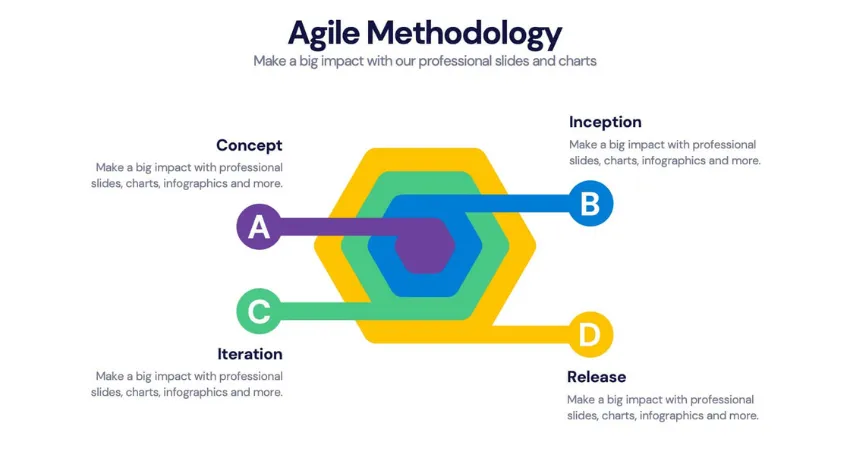
Understanding the Agile Project Management Framework
The agile project management framework provides a structure without creativity.
Most agile frameworks share common elements:
- A product backlog that prioritizes all work items.
- Sprint planning sessions where teams commit to specific deliverables.
- Daily coordination meetings to maintain alignment.
- Regular reviews demonstrate completed work and gather feedback
As teams move deeper into agile project management, they often seek real examples of how different frameworks are used in practice. Seeing how other organizations structure roles, plan work, and manage change helps teams avoid common mistakes. Many professionals develop this perspective by exploring how agile is used in real projects, which gives practical context without forcing teams into a single model.
Benefits of Agile Project Management
Organizations that adopt agile project management often see dramatic improvements in outcomes. The benefits of agile project management extend far beyond just finishing projects on time.
- Faster time-to-market tops the list for many organizations. By delivering working features incrementally, companies can release valuable functionality to customers sooner rather than waiting for a complete product. This approach generates revenue earlier and provides a competitive advantage.
- Improved quality comes from continuous testing and feedback. Instead of discovering problems during a final testing phase, agile teams identify and fix issues throughout development. The result is more robust solutions with fewer defects.
- Better stakeholder satisfaction results from regular involvement and transparency. When clients see progress every few weeks and can provide input along the way, they feel heard and valued. This ongoing engagement prevents unpleasant surprises that plague traditional projects.
Agile vs Waterfall Project Management
Understanding agile vs waterfall project management helps clarify when each approach makes sense. Waterfall follows a sequential path: gather requirements, design the solution, build it, test it, and then deploy. Each phase should be completed before the next phase initiates.
Key differences in agile vs waterfall project management:
- Planning approach – Waterfall requires complete upfront planning; agile uses progressive elaboration.
- Change management – Waterfall resists changes after requirements are set; agile embraces change as a competitive advantage.
- Risk timing – Waterfall concentrates risk at the end; agile distributes risk across iterations.
- Delivery pattern – Waterfall delivers everything at once; agile delivers incrementally.
Neither approach is universally superior. The key is matching methodology to project characteristics.
Scrum vs Agile
People often mix up "scrum" and "agile," but understanding scrum vs agile clarifies their connection. Agile is the wider philosophy with its core principles. Scrum is one framework that applies to those principles.
Scrum has clear-cut practices:
- Sprints running two to four weeks
- Designated roles like Scrum Master and Product Owner
- Scheduled ceremonies such as sprint planning, daily stand-ups, sprint reviews, and retrospectives
- Work items including product backlog, sprint backlog, and increment
How to Implement Agile in Projects
Knowing how to implement agile in projects successfully requires more than just adopting new meetings and terminology and Agile project management for beginners helps new teams take their first practical steps with confidence.
Essential steps for implementation:
- Secure leadership support – Agile project management requires organizational backing because it changes how teams interact, how progress gets measured, and how success gets defined.
- Invest in education – Team members need to understand not just agile mechanics but also the underlying principles.
- Start with project – Choose a project with moderate complexity and a supportive stakeholder rather than converting everything at once.
- Focus on collaboration tools – Digital boards and documentation systems all support agile ways of working.
Steps to Transition from Waterfall to Agile
Making the shift requires deliberate planning. These steps to transition from waterfall to agile can guide your journey:
- Assess current state honestly – Document existing processes, identify pain points, and understand what's working well.
- Define success metrics – Consider measuring customer satisfaction, team velocity, and business value delivered per sprint.
- Start with willing teams – Early success with motivated adopters builds momentum and creates internal champions.
- Adjust governance structures – Work with finance, legal, and other stakeholders to create processes compatible with agile.
- Embrace incremental transition – Many organizations run agile and waterfall projects simultaneously during transition.
The Agile Project Planning Process
The agile project planning process differs significantly from traditional approaches. Instead of creating comprehensive plans upfront, agile teams plan at multiple levels.
- Release planning establishes a high-level roadmap showing major features and approximate timing.
- Sprint planning happens at each iteration, where teams review the prioritized product backlog, select items to complete, break them into tasks, and commit to a sprint goal.
- Daily planning occurs during brief stand-up meetings where team members coordinate the next 24 hours of work.
Agile Sprint Planning Techniques
- Review sprint goals and establish what the team aims to accomplish.
- Examine top backlog items with the Product Owner explaining business value.
- Ask clarifying questions to ensure understanding.
- Estimate effort using techniques like planning poker.
- Select sprint items that fit comfortably into the sprint.
- Break down tasks and identify who will work on what.
What are Agile Team Roles and Responsibilities
In an agile team, three key roles work together to deliver value:
The Product Owner is for defining what gets built and why. They maintain the product vision, manage the backlog of work items, and make sure the team is focused on what matters most to customers and the business. They're also the ones who review completed work and decide whether it meets the requirements.
The Scrum Master or Agile Coach keeps the team running smoothly. They help remove any roadblocks that might slow the team down, facilitate meetings and ceremonies, and guide both the team and organization by following agile principles effectively. Think of them as the team's advocate and process guardian.
The Development Team does the hands-on work of creating the product. This includes developers, testers, designers, and anyone else needed to turn ideas into reality. What makes them effective is that they're cross-functional, meaning they have all the skills needed within the team and self-organizing, so they decide together how to accomplish their work.
How Does Agile Improve Team Collaboration
Agile fundamentally changes how teams work together. Daily stand-ups create consistent opportunities for members to discuss what they're working on and any obstacles they're facing. Visual boards keep everyone informed about project status and who's handling what tasks.
The repetitive sprint cycle in agile project management strengthens team bonds gradually. When people complete sprinting after sprinting together, they naturally build mutual understanding and learn to rely on each other's strengths.
Best Agile Project Management Tools
Selecting the best agile project management tools depends on your team's size and working style.
Project management platforms help teams organize and track work:
- Jira – Comprehensive tool with robust reporting.
- Trello – Visual, card-based system for simpler workflows.
- Asana – User-friendly with strong collaboration features.
Communication tools support constant interaction:
- Slack – Real-time messaging with channel organization
- Microsoft Teams – Video conferencing and chat integrated with Office 365.
The best agile project management tools integrate seamlessly with each other, creating automated workflows that reduce manual effort.
Agile Project Management Best Practices
Following these agile project management best practices helps your team perform better:
- Keep your backlog organized with regular grooming sessions.
- Safeguard the sprint by avoiding scope changes once work begins.
- Treat failures as opportunities to learn instead of reasons to blame.
- Control work in progress so people complete tasks before taking on new ones.
- Track outcomes and business impact, not just how much gets done.
Agile Project Management Examples
Looking at real agile project management examples makes the theory stick.
- A Content Agency: Instead of planning a six-month campaign, they plan one month at a time. If a specific video goes viral, they use the agile methodology to double down on that style immediately.
- A Tech Team: They release a "Beta" version of a tool early. User feedback tells them a "must-have" feature is useless, so they save thousands by not building the rest of it.
Conclusion
Agile project management provides a proven framework for navigating uncertainty, delivering value incrementally, and building strong collaborative teams. Success comes not from perfect initial implementation but from commitment to continuous improvement. Start with the basics, learn from each iteration, and adapt to your approach based on what you discover.
Whether you're managing software development, marketing initiatives, or product launches, agile offers tools and mindsets that simplify complexity and improve results. To see how agile ideas are applied in structured project environments, you can read about agile project management practices.
Recommended Reads
Get Certified With Industry Level Projects & Fast Track Your Career
Checkout Top 10 Highest Paying Jobs
Frequently Asked Questions
It is a flexible approach to managing projects and adapting to change.
Work gets broken into short sprints; teams gather stakeholder input, and processes improve continuously.
Key principles involve collaborating with customers, planning that adjusts as needed, delivering work regularly, and welcoming change.
Start by educating your team, adopting a framework like Scrum, creating a backlog, and planning sprints iteratively.
Key roles include Product Owner, Scrum Master, and Development Team, each with specific duties.
Benefits include improved collaboration, faster delivery, adaptability, higher quality, and stakeholder engagement.
Agile is better for complex, dynamic projects, while Waterfall works for projects with clear, unchanging requirements.
Agile is a philosophy and set of principles, while Scrum is a framework to implement agile practices.
Popular tools include Jira, Trello, Asana, and Monday.com.
Through daily stand-ups, iterative reviews, and shared accountability, teams communicate openly and work efficiently.